Showing posts with label Features. Show all posts

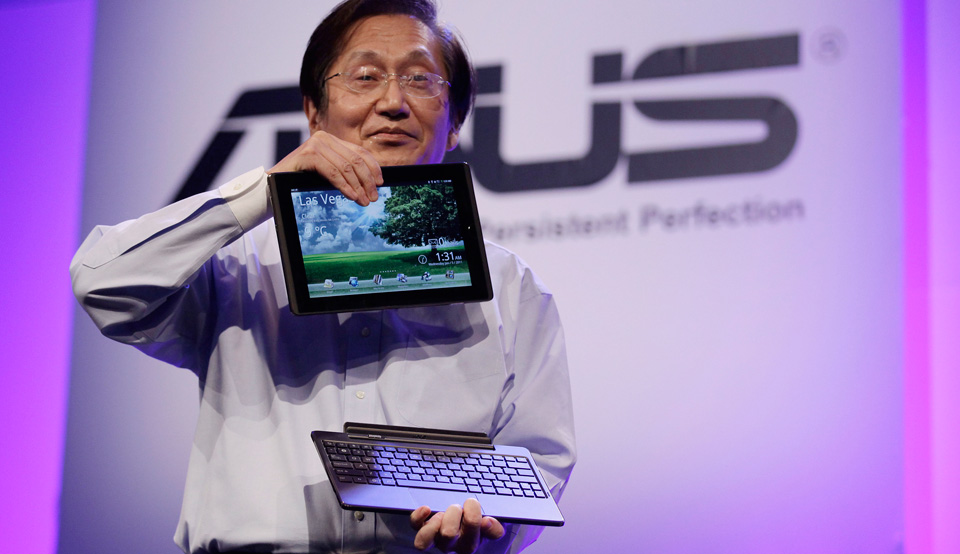
The spotlight doesn't often fall on the lesser-known Chinese (both mainland and Taiwanese) companies that set up booth space each January at CES. But if you do pay close attention to their yearly reveals, you'll often find some of the show's more interesting gadgets. Brands like ASUS and Lenovo (among many others) have a knack for either inventing new device categories or pushing the limits of existing formulas. They virtually define the landscape for hybrid PCs, and they're often willing to stretch the boundaries of smartphones, wearables and TVs. In anticipation of the coming CES, we attempt to gauge just what each of these major Chinese players will bring to Las Vegas in 2015. But first, let's indulge in a little history lesson.
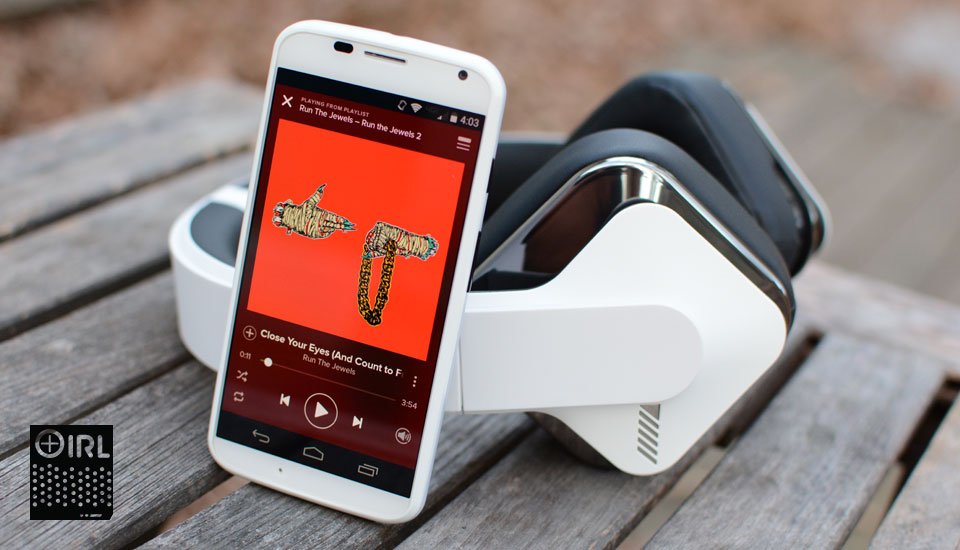
Some of the best headphones I listened to this year came from a car audio company. It's true. When I hear the name Alpine, I think of two things: the car stereos and the brewery in southern California. Back in October, the tech-focused Alpine announced its $300 over-ear cans with so-called Full Frequency Immersion technology to simulate the feeling of a live show. There's even a pulsing headband that keeps up with the bass line. What may seem like an odd move for Alpine actually makes a lot of sense. A company with a history in audio, even if its car audio, should be well-equipped to make a solid set of headphones. I've been using the set for a couple months now, and the sound is stellar.

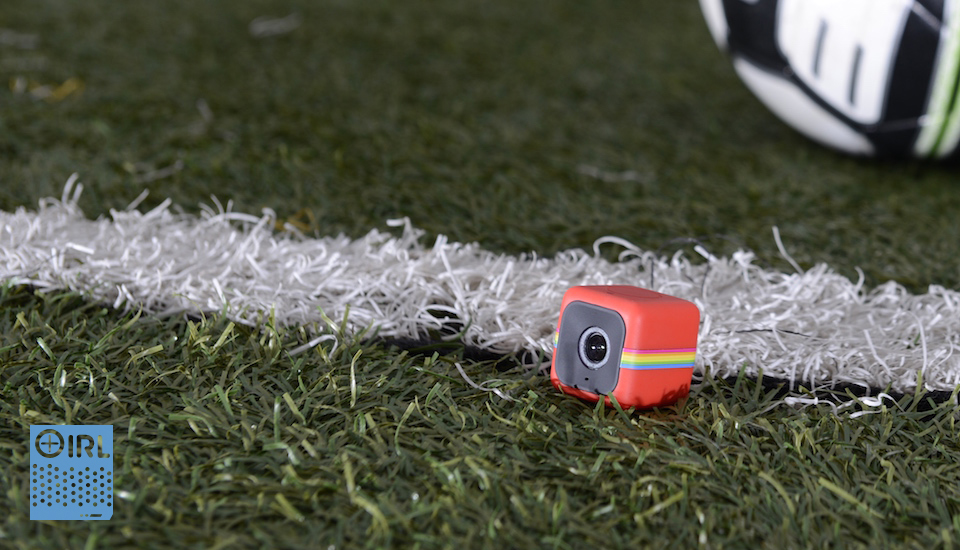
Gone are the days when you had to carry a hefty camera to capture life's best moments. For the most part, we have smartphone makers to thank for that, aided by steady improvements to imaging sensors. At the same time, though, a number of other manufacturers have made it their mission to build ever-smaller cameras -- all to make snapping photos and taking videos a much easier feat than it was before.

Exactly 30 years ago today, two men made history by completing the first mobile phone call in the UK. As everyone celebrated the opening seconds of 1985, Michael Harrison, the son of former Vodafone chairman Sir Ernest Harrison, rang his father from Parliament Square in London. The call was supposed to be a surprise; Michael had snuck away from his family's New Year's Eve party in Surrey and driven up to the capital earlier that evening.

My dad called me up a few weeks ago saying he wanted to get mom a tablet for Christmas, one that might be good enough to replace the laptop she hated. It wasn't the hardware causing angst; it was the software: Windows 8. She's pretty comfortable with technology, but migrating from the familiar world of Windows' past was tricky and she wasn't alone -- I didn't find it easy either. While no tablet could completely replace a laptop, for general internet use, it's all she really needed.

If you work anywhere in or around technology, chances are you've either witnessed or are a member of the standing-desk craze, the natural offshoot of the increasing medical research suggesting sitting in your Herman Miller Aeron chair will actually kill you faster than smoking. But standing's the tip of the iceberg. Treadmill desks, work-walking, whatever you want to call it -- more and more people aren't just standing while they work; they're clocking in 10 slow miles a day on the job. With treadmill desks popping up everywhere from home offices to the cube farms of Google to the open newsrooms ofThe New York Times, the definition of what it means to be "at work" is changing more than ever before.

It was the year of wearables, VR and 4K. It was the year of ridiculous IPOs and massive security breaches. It was also the year Engadget took a step back and took in the big picture. 2014 was full of great advancements and big setbacks and we were here to tell you about them. Herewith, the stories that defined us and the wild world of technology in the year that was.

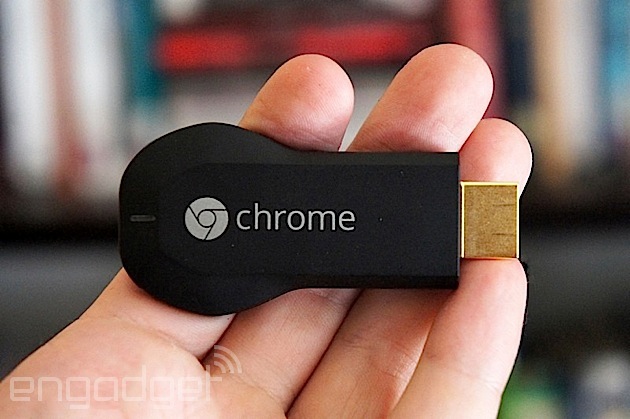
Google's Chromecast makes it easy to stream pretty much anything to your TV. Movies, TV shows, music, games, photos -- whatever you're interested in, there are plenty of smartphone and tablet apps equipped with Google's little Cast button. So, whether you have one hooked up to the main TV in your living room, or a second screen somewhere else in the house, Chromecast could be a useful tool to have on hand this Christmas. For our UK readers, here's a quick rundown for maxing out the tiny dongle over the next few days.

Damn the torpedoes (and Teslas)! Two of Japan's biggest automakers are about to make sizable wagers on a different kind of clean fuel tech: hydrogen power. Toyota will launch the $57,500 Mirai fuel cell vehicle (FCV, above) next year, while hydrogen veteran Honda will out a model in 2016. But wait, aren't EVs the last word in green cars? Fuel cell cars areEVs, in a way, but you can fill one up with hydrogen in five minutes rather than waiting hours for a charge. The only way to do that in an electric vehicle (EV) is by swapping the entire battery. So why is there exactly one production FCV available to buy today, but EVs everywhere? That's a tale of efficiency, fuel, pollution and politics.

When Engadget unveiled its new and improved buyer's guides earlier this year, we started out with just a handful of categories: smartphones, tablets, laptops and wearables. You know, the stuff we're most likely to give the full review treatment. Still, a few of our readers wondered why we didn't include a wider range of products. To all you who were craving a little more, the answer is: We were already on it. Today we're adding two new guides to the mix, including one for gaming gear and another for portable audio gadgets. As always, when deciding what to include, we asked the people who know best: the Engadget writers who are already testing this stuff. In the case of gaming, that includes our resident game writers Ben Gilbert, Sean Buckley and Tim Seppala. Likewise, we consulted our biggest audiophiles on staff, Billy Steele and James Trew, who in a previous life wrote about music for a living. Have a peek at our gaming and audio guides, and check back over the coming months -- you never know when we'll add a hot new item to the list.

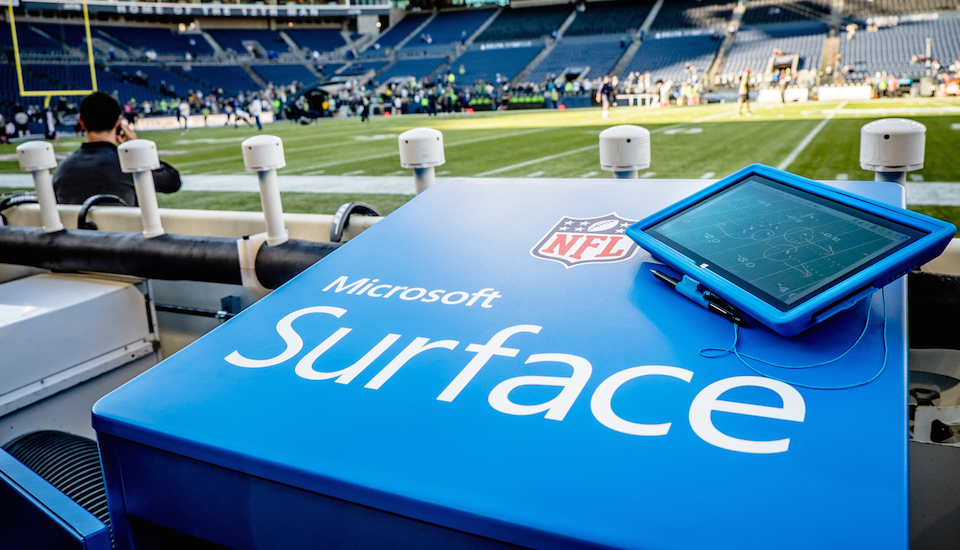
No, those bright blue, ruggedized devices being used on NFL sidelines aren't iPads. They're Surface Pro 2s. And while they may look like Apple's renowned tablet from afar, at least to some NFL commentators, Microsoft's been trying to help players and coaches get more familiar with the Sideline Viewing System since the league implemented it earlier this year. Naturally, this includes Russell Wilson, the starting QB of the Seattle Seahawks. Last week, during his day off, he took the time to talk to us at the Virginia Mason Athletic Center, the team's practice facility -- located in Renton, Washington, around a 30-minute drive from downtown Seattle.

Now that we've talked about the design process behind the NFL's Surface Pro 2s, it's time to show you how these things are actually being used throughout the league. It's worth noting that at least for now, the functionality of the Sideline Viewing System is limited to players and coaches annotating, drawing and looking at images from plays. Still, this is a notable first step in the NFL bringing technology into the game, and Microsoft wants to play a big role in that development. Sure, it doesn't hurt that the tech titan is said to have paid a huge sum of money to the NFL for the alleged five-year partnership, but it's safe to say that it's equally beneficial regardless.

Long before Transformers director Michael Bay choked onstage at Samsung's lavish CES 2014 press conference, the Korean company was just another electronics outfit begging for attention. But after decades at CES, Samsung is now the undisputed king of the show. Its blowout media events are the largest and most difficult to get into. Samsung Electronics CEO BK Yoon is kicking off the show next month by hosting the prestigious opening keynote. And it's one of the few tech giants left standing at CES, as Microsoft and others abandon it. Samsung's glorious rise mirrors its ascent in the mobile industry, and it's also yet another example of the company's oft-repeated formula for success: Time, money and perseverance lead to victory.

Earlier this year, Microsoft revealed its plans to take over NFL sidelines. How so? With a partnership with the National Football League, a collaboration reportedly valued at $400 million -- though neither party ever confirmed this. Powered by the Surface Pro 2, the Sideline Viewing System lets NFL players and coaches use Microsoft's laptop/tablet hybrid device to review images from plays almost instantaneously, as opposed to using the paper-based, black-and-white method that's been in place for decades. Not only is it faster, but it's also more efficient, since it allows team members on the sidelines and those in the booths above to view any markups in near real time, something that's made possible by digital pen input.

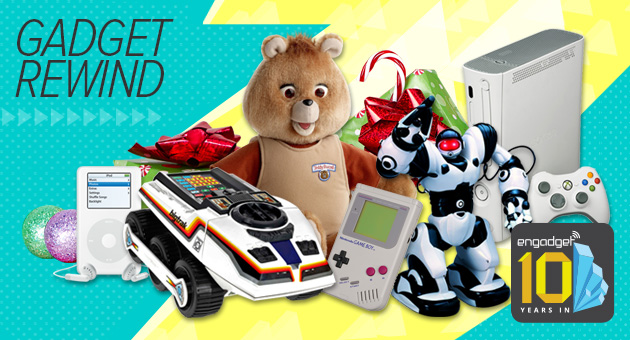
Remember the mad rush to secure a Teddy Ruxpin under the tree? Or how about how badly you begged your parents for the Nintendo DS as a year-end treat? As we head into another hectic, yet hopeful holiday season, we look back at some of the geeky gadgets and technological toys that stormed the charts (and stole young hearts) over the years.
Each week our friends at Inhabitat recap the week's most interesting green developments and clean tech news for us -- it's the Week in Green.
A man's home is his castle -- even if that castle happens to be a truck. A family of three recently transformed a small truck into a regal off-the-grid home complete with turrets and fake masonry. Singapore has seen a boom in innovative green architecture in recent years, and the city will soon be home to the world's lushest airport. Construction officially began last week on the Jewel Changi Airport, which will be filled with plants, and it will even feature the world's largest indoor waterfall. The massive biodome is expected to be completed in 2018. In other architecture and design news, the folks at Tentsile have created a new suspended tree tent that lets you create triple-decker tree houses in the sky. A team of tightrope walkers has them beat, however -- with a stupefying hand-knitted hammock suspended 400 feet above a desert canyon.

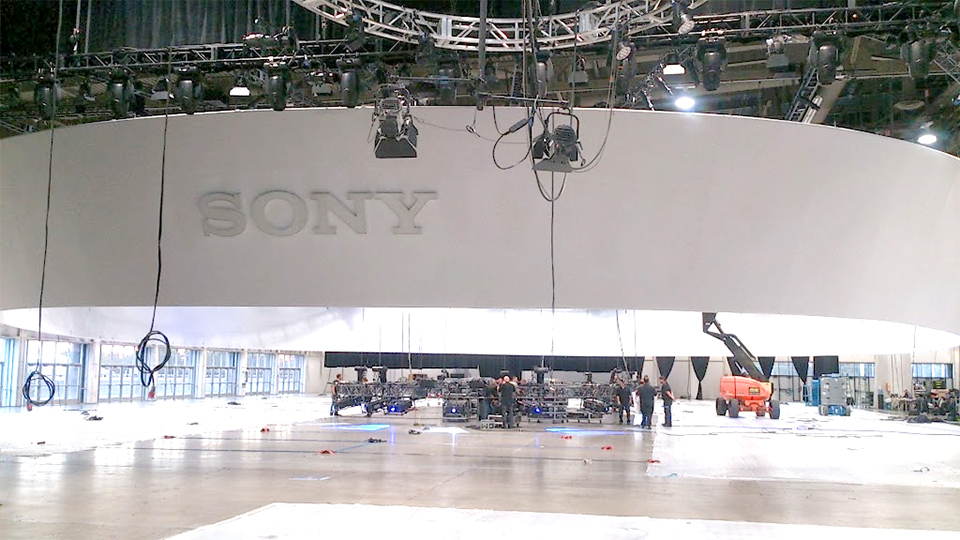
Didn't we just leave Vegas? Tech journalists the world over are probably asking themselves that question right now, and with good reason -- the 2015 Consumer Electronics Show is set to open its many, many doors in sunny Nevada in just a few short weeks. To celebrate (and prepare for) the world's biggest tech expo, we're taking a closer look at the some of the industry's most prominent players, starting with Sony's storied history at the show and where it's going next.

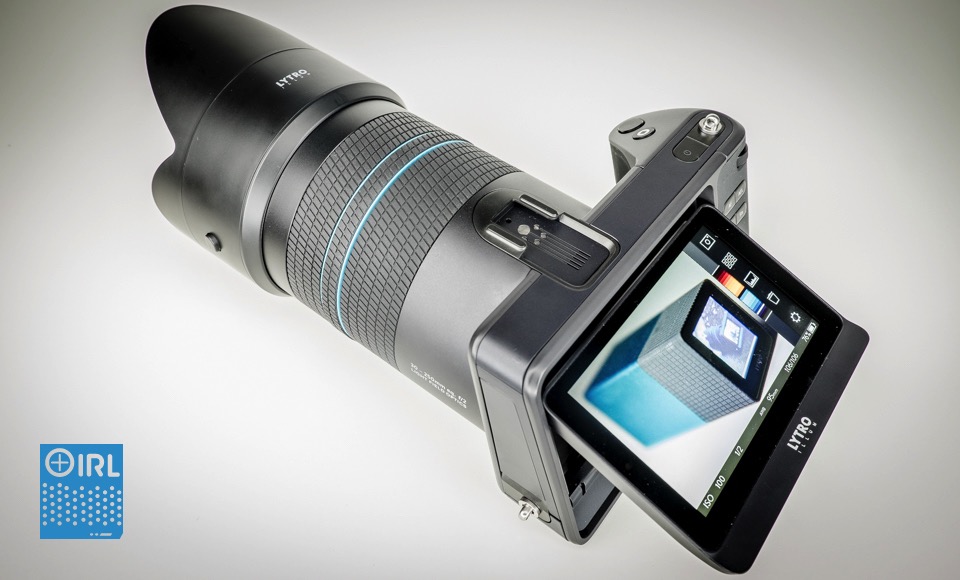
Back in 2012, Lytro's first camera introduced folks to its light-field imaging tech -– letting users tweak focus, perspective and depth of field after a photo is taken. However, that first-gen camera's peculiar body and low-res output limited its appeal. Now, with the $1,599 Illum, Lytro's back, looking to elevate its unique approach from mere curiosity to a legitimate photographic tool. I spent some time with the beefy new model to see how far the company's come.

This has been a wretched year for big corporations in the US: Target, Home Depot,JPMorgan and, most recently, Sony Pictures have all had to deal with unauthorized security breaches over the past few months. As far as Sony Pictures is concerned, the problems began on November 24th, when various reports pointed to a high-profile,studio-wide cyberattack at the hands of a group calling itself "#GOP," aka the Guardians of Peace. Since then, the startling situation has turned into a colossal headache for the company. The hackers, who are believed to be from North Korea, have leaked some of its unreleased films online; revealed highly sensitive information, like passwords and executives' salaries; and gone as far as threatening employees and their families. As it stands, Sony Pictures is in a deep, downward spiral with no end in sight.

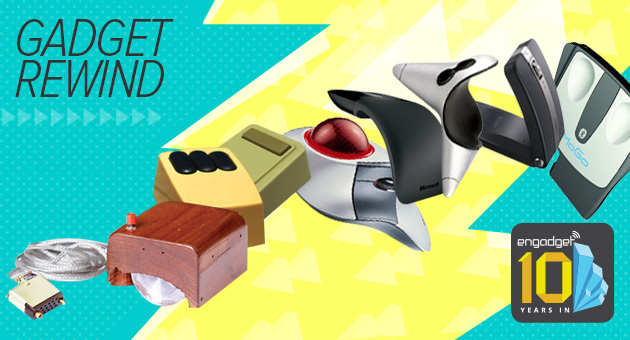
Since its inception in the mid-'60s, the "mouse," as it came to be known, has morphed and mutated into a diverse assortment of styles to accommodate efficiency, ergonomics and portability. In this week's Rewind we surf through the history of the device from its humble beginnings to its current futuristic incarnations.